What are the computational principles underlying human-like cooperative intelligence, and how can we use them to engineer cooperative and human-aligned machines? This reading-based seminar introduces a rational approach to answering these questions: one where both humans and AI are treated as approximately rational agents with coherent, probabilistic models of the social world, allowing them to act and cooperate on the basis of good reasons.
We begin with fundamental cooperative capacities like theory of mind and inverse planning, then explore how these enable forms of cooperation from assistance and teamwork to communication and teaching. We then study how many agents can cooperate even when they have different interests and goals—via norms, institutions, and negotiation—and the implications of all this for human-AI alignment.
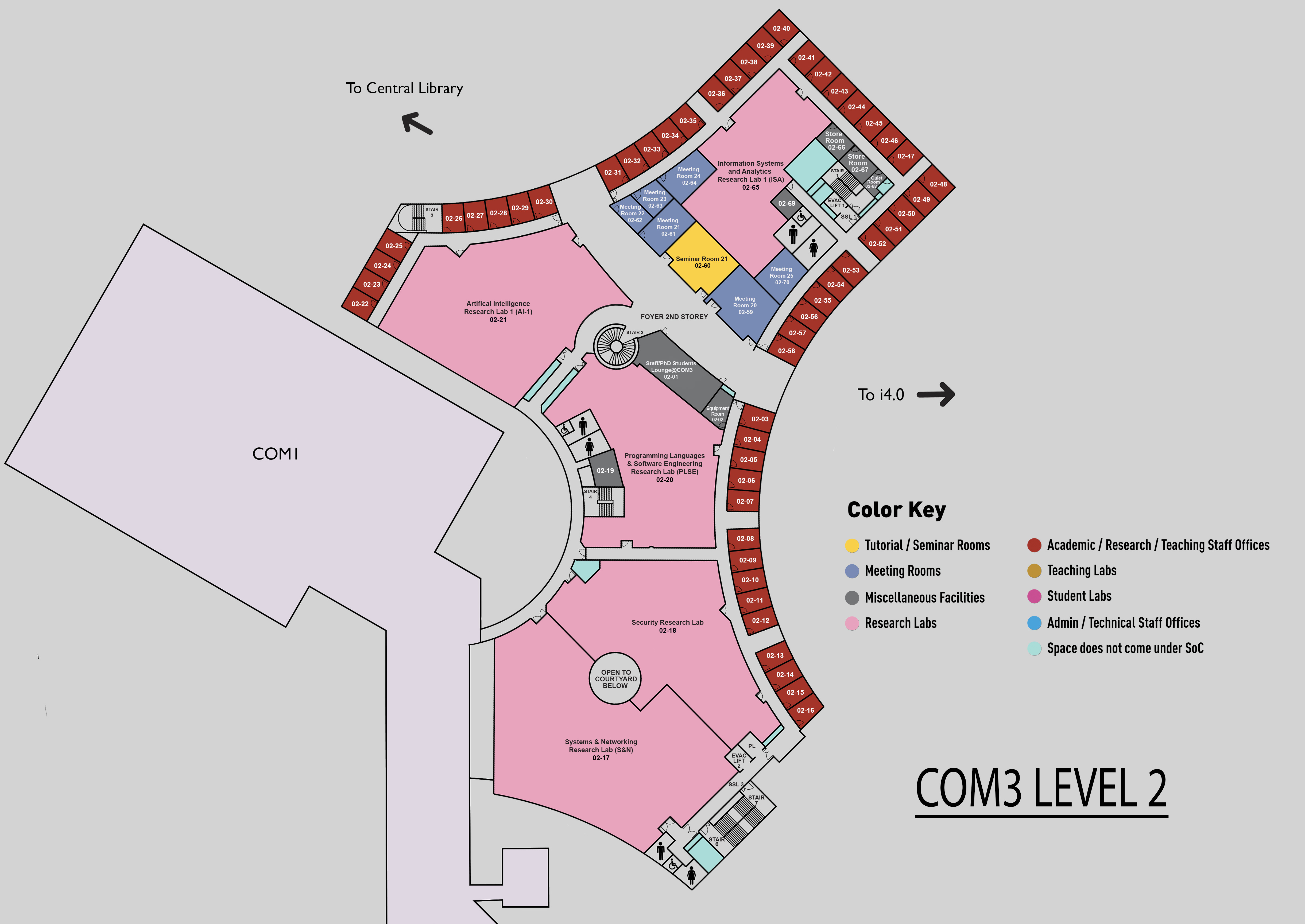
| Class Location | COM3-02-60 |
|---|---|
| Class Hours | Wednesday 2:00-4:00PM |
| Instructor | Xuan (Tan Zhi Xuan) |
| Email Address | [email protected] |
| Office Hours | Monday 2:00-3:30PM @ COM2-03-25 or Zoom |
<aside> 🏛️
Our venue for the rest of the semester has been confirmed as COM3-02-60 (with the exception of Week 13 in COM2-04-02).
</aside>
<aside> 📍
For Week 2, we will meet in AS6-05-10 — venue for the rest of semester has yet to be confirmed.
</aside>
<aside> 📝
Reading reflection quizzes are now released for Paper 1 and Paper 2 of Week 2.
</aside>
<aside> 🎞️
The recording for our first session is available here.
</aside>
<aside> <img src="/icons/pen_green.svg" alt="/icons/pen_green.svg" width="40px" />
To confirm your participation in the seminar, fill out the registration form. Also, sign up on Piazza.
</aside>
<aside> 1️⃣
Our first session meets on Wednesday, 12 August at 2-4PM in COM3-02-61 (see map) — see you there!
</aside>
This seminar is intended for graduate students in computer science & AI. Advanced undergraduates with the relevant background are also welcome. The seminar can be taken for credit by new CS PhD students as a section of CS6101, and is otherwise open to NUS students and affiliates.
Basic familiarity with probability theory and AI/ML is expected. Experience with Bayesian modeling and/or automated planning and decision making is helpful, but not necessary.
This is a reading-based seminar with an (optional) final project. Each week, students read papers and write reflections. Students also present at least one paper to the class, and present their final project at the end of the semester.
This iteration of the seminar will only be graded (satisfactory / unsatisfactory) if you are taking CS6101 as a new PhD student. Otherwise, it is ungraded. The final project is required for students taking this class for credit or looking to join the instructor’s research group, and is otherwise optional.
Nonetheless, seminar participants are expected to fulfill any responsibilities they commit to. The following breakdown serves as a guide for how much time and effort each component requires: